
Coffee Retailer
AKisomose: August 25, 2024
Ethical Sourcing and Fairtrade Practices in the Coffee Trade:
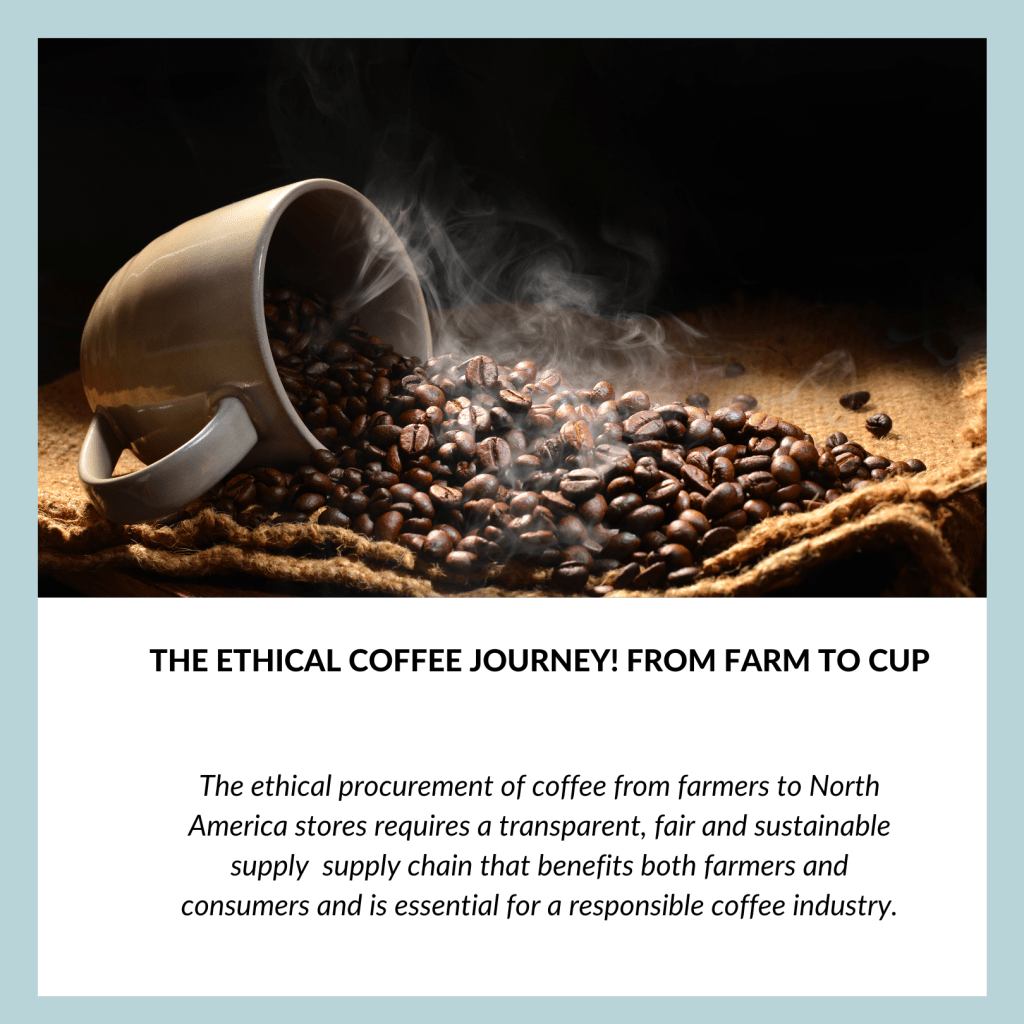
Fairtrade is a movement that ensures that coffee farmers in developing countries receive fair prices for the products they sell on the international market, along with acceptable social and environmental standards. However, regarding coffee, Fairtrade certification guarantees that farmers receive the minimum price for their beans. Hence, this process ensures stability and financial security for farmers. Fairtrade promotes sustainable farming practices by prohibiting child labor and discrimination in the workplace. While ethical sourcing encompasses a more comprehensive set of social, environmental, and economic sustainability principles. Ethical sourcing may include direct trade relationships between coffee roasters and farmers, promoting transparency in the coffee procurement process, and investing in community development projects. (Nationwide Coffee, 2024)
The Impact of Fair Trade and Ethical Sourcing:
Fair Trade helps farmers in several ways, and these include:
- It empowers farmers by ensuring fair wages, which translates to income stability. This concept allows farmers to mitigate the vicious cycle of poverty.
- Fair trade practices help farmers protect the environment by adopting sustainable farming practices that preserve natural resources for future generations. Such practices include shading coffee grown in the field and biodiversity conservation methods. This also helps to mitigate the impact of climate change.
- This approach combats trade exploitation, treating farmers with dignity and respect.
- This also helps to build stronger communities as major coffee purchasing powers are expected to give back to the communities by investing in education, healthcare, and infrastructure (roads)
Conclusion:
As a coffee consumer, you are encouraged to make a difference by choosing certified coffee. This is done by locating the Fairtrade logo. This ensures that farmers are treated with dignity and get fair prices for the coffee sold. Always support responsible coffee brands; they usually provide detailed sourcing practices and partnerships with coffee farmers. Always share feedback with coffee companies while expressing interest in fair trade practices, which translates to a positive change in the coffee industry. Therefore, as a coffee enthusiast, you are encouraged to spread awareness of Fair Trade and ethical sourcing practices among friends, family, and community. This helps to ensure that coffee is grown while addressing environmental sustainability, social responsibility, and economic stability.
References:
Conservation International. (2015). Follow Starbucks’ 15-Year Journey to 100% Ethically Sourced Coffee | Conservation International [Video]. YouTube. https://youtube/DaG10sqw9fk
USA Facts. (2024, March 14). Where does America’s Coffee come from? Https://usafacts.org/articles/where-does-Americas-coffee-come-from/
Nationwide Coffee. (2023, November 28). Coffee Certification Programs: Decoding labels from Informed Choices https://www.nationwidecoffee.co.uk/news/coffee-certification-programs-decoding-labels-for-informed-choices

“Sustainability in the coffee industry,” September 01, 2024
Sustainability in the coffee industry.
Sustainability in the coffee industry means best practices that ensure the industry’s longevity while protecting the environment and supporting equitable economic structures that are fair to all coffee production stakeholders and coffee farmers’ social well-being. Therefore, this multi-dimension approach addresses a sustainable coffee ecosystem’s ecological, economic, and social aspects. https://bigcupofcoffee.com/best-sustainable-coffee-brands/.
- Sustainable coffee production helps conserve nature. This approach involves growing coffee mixed with diverse trees, a farming practice that promotes biodiversity, prevents soil erosion, and fosters a more resilient ecosystem. It also minimizes the need to use chemicals to fight weeds.
- This ensures better livelihoods for farming coffee growers and processors. This is implemented through fair trade practices that ensure farmers receive fair compensation for their efforts. This also includes community development projects such as schools and health care, which enhance the overall well-being and empowerment of those in the coffee supply chain.
Impact of coffee production
Coffee production can have a significant environmental effect because unsustainable farming practices contribute to deforestation, habitat destruction, diminished biodiversity, disrupted ecosystems, and soil degradation. Also, the excessive use of water in the conventional processing of coffee can pollute water resources.
Unsustainable coffee production’s economic and social implications can lead to unfair compensation, exploitative labor practices, neglect of social development, and weakening communities. Therefore, mitigating unfair practices promotes fair wages, community empowerment, and improved livelihoods.
References:
Coren, C. M. (2023). Coffee. Salem Press Encyclopedia.
Deshmukh, A. (2021, October 1). The World’s Top Coffee Producing.
Gabriel, A. (2023). The Coffee Conversation. New Orleans Magazine, 57(12), 26–39.
Starbucks (n.d). Stories & News.
https://stories.starbucks.com/stories/opportunity/
 AKISOMS
Leave a comment