
The Global Coffee Buzz: Uniting the World One Cup at a Time
A Kisomose. “The Global Coffee Buzz”, September 01, 2024
A brief history of Coffee:
Coffee is a global beverage consumed by millions of people worldwide. Coffee drinking has been assimilated into different international cultures centered around the black beverage, Java. Coffee has other names reflecting regional cultural significance and people’s affection for it worldwide. Coffee is the third most consumed beverage in the world, and the leading export producers of this crop are Brazil, Vietnam, Columbia, Indonesia, and Ethiopia, which account for 75% of the world’s total coffee production. However, Coffee’s origin is unclear, even though researchers trace it to the forests of the Ethiopian Plateau, where a “goatherd first discovered the effects of the beans after noticing that his goats became more active whenever they took these beans.” The goatherd later passed on his findings to a local monastery, which also confirmed the effects of the beans until the word spread to the Arabian Peninsula, where the first coffee cultivation occurred. By the 16th century, it is said that Coffee was grown in the Near East, and ancient travelers took back the drink with them to Europe. Coffee arrived in Europe in the 17th century, when coffee houses emerged as new centers of social identity in cities of England, Austria, France, Germany, and Holland. (Coren,2023)
Coffee’s journey is not just a historical one but also an economic one. It arrived in New York in the mid-1600s, becoming a favorite drink for the colonialists who had just revolted against the heavy taxes on tea. This Coffee preference marked the beginning of Coffee’s economic significance. It continued its journey to South America, arriving around 1727, but it was not a significant crop until 1822, when Brazil gained Independence. Later, Brazil became the world’s leading producer in 1852 and enjoyed this status for the next 100 years until 1950. At that time, Brazil exported more Coffee than the rest of the world combined. Other significant producers include Ethiopia, Vietnam, and Colombia. Today, Coffee is the world’s second most widely traded commodity after oil, with an average of $319 billion. Brazil, Vietnam, and Columbia are the top Coffee exporting countries, accounting for 58% of global coffee. Coffee is an essential crop for many countries, and its export plays a significant role in the economies of the producing countries. (Deshmukh, 2021)
Coffee Cultures around the World:
New Orleans, USA.
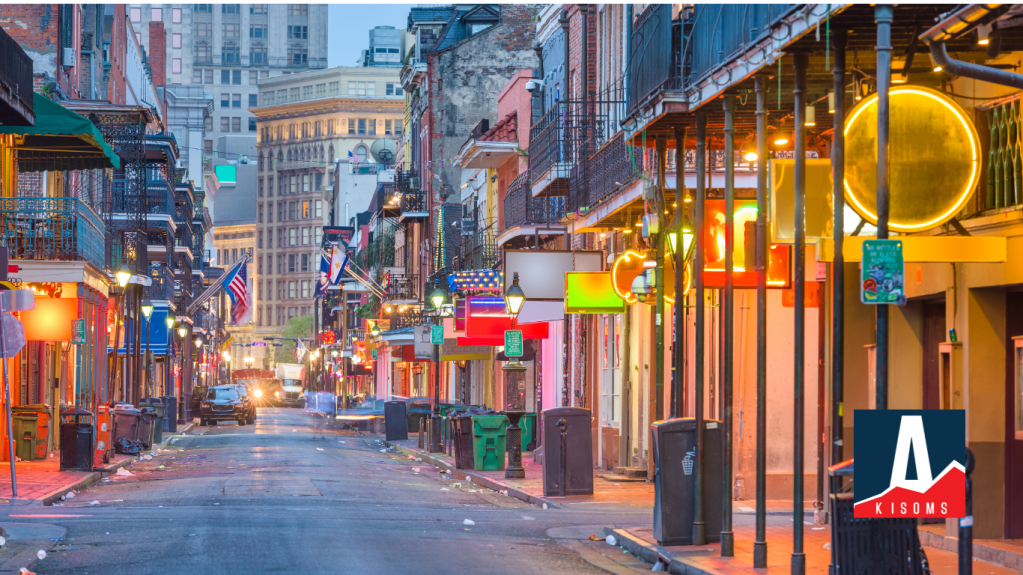
New Orleans is known for its rich coffee culture. French and Spanish colonizers introduced coffee to the city around the 18th century. The city has a deep coffee history, with iconic coffee shops like Café du Monde, established in 1850. However, Starbucks, America’s leading coffee brand, was founded in Seattle in 1971 by Jerry Baldwin, Zev Siegl, and Gordon Bowker. Starbucks was later transformed into a global brand after it changed ownership to Howard Schultz in 1988. The new management introduced new flavors of espresso-based drinks and expanded rapidly, eventually entering the New Orleans market in the 1990s. Starbucks initially faced market resistance until it adapted to local tastes by introducing New Orleans coffee blends and by partnering with local bakeries, co-existing with Café du Monde and other local coffee shops. New Orleans is a city where hometown coffee brands have thrived, and coffee shop culture has flourished. New Orleans is the coffee capital of the United States. It hosts the annual NOLA festival, bringing together coffee communities nationwide to connect (Gabriel, 2023).
Starbucks, headquartered in Seattle, Washington, is the largest coffee brand in the world as of 2024. Its net revenue reached 29.46 billion in 2023, and it owns over 32,000 coffee shops in 80 countries, even though more than 50% of its chain stores are in the United States. (Statista, n. d). The success of this brand is attributed to quality coffee beans, state-of-the-art Starbucks stores (branding), and diverse coffee shop menus combining specialty coffees and teas. The management is committed to ethical and sustainable coffee production by focusing on fair gains for coffee farmers. Therefore, Starbucks endeavors to create a culture where everyone is welcome. https://stories.starbucks.com/stories/opportunity/.
The coffee culture of Italy:

The relationship between Italians and Coffee is about consumption and a unique and distinctive cultural identity. Coffee is part of the Italian national identity and is believed to have arrived in Italy around the 16th century in Venice, which served as a reference point for medieval international trade. Coffee is believed to have been initially imported from the Middle East to Italy. Some of the famous coffee flavors include Macchiato, Decaffeinated, Double (two coffee shots in the same cup), Corretto (espresso with the addition of liquor), iced coffee, frappe, and Cappuccino, which is an Italian coffee symbol. The first coffee shop opened to the public in 1683, and from then on, coffee shops in Italy served as meeting venues for social and cultural exchange. Today, the coffee culture is so strong in Italy that Coffee is consumed at specific times, and an average Italian consumes around four cups of Coffee a day. Italians usually drink Cappuccino in the morning, Caffè Corretto after lunch, and Frappe coffee in the afternoon. The procedure for determining the authentic taste of Coffee is always to drink Coffee without any additions. Therefore, for Italians, high-quality coffee does not need a boost from any foreign ingredient. In Italy, Coffee represents family, tradition, quality, and love. (Wine and Travel Italy, n.d)
The home of Coffee, Ethiopia:
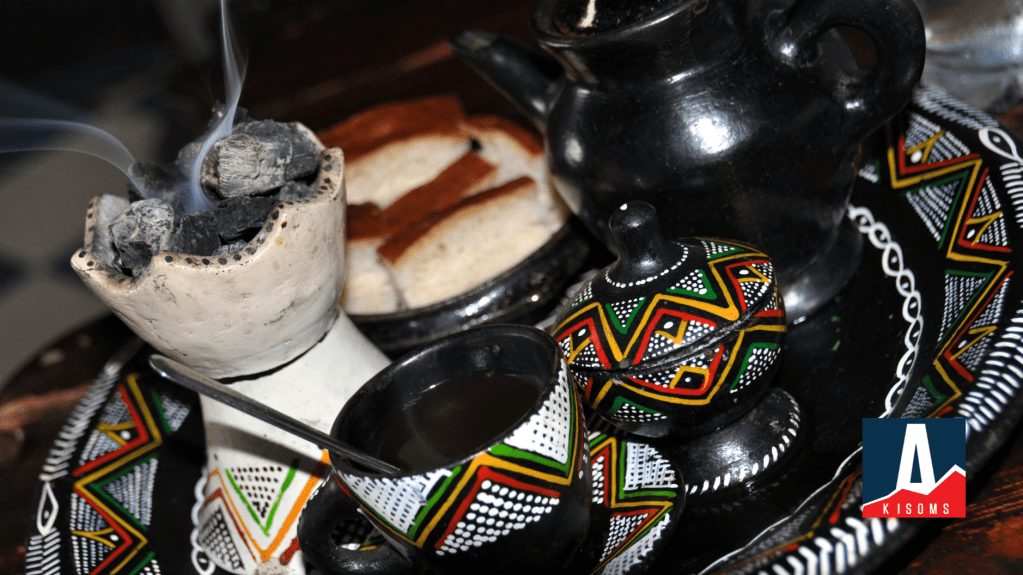
In Ethiopia, it is believed that an Abyssinian shepherd discovered coffee and its stimulating properties for his goats. Today, coffee is treated as the country’s national drink and the primary beverage on communal feast days. For Ethiopians, coffee is part of their daily lives, served in every home, sold on streets, and in branded coffee shops. The streets and towns are filled with coffee’s fragrant fumes and the scent of burning incense. In Ethiopia, coffee and its smells are believed to be irresistible and attract invisible genies. Therefore, coffee is used in traditional rituals, like the coffee ceremony, as a symbol of the Ethiopian way of life, with coffee in Sufi Muslim mysticism. During Sufi prayer sessions, coffee is prepared several times during the ritual. The utensils used during this coffee (coffee pot, the incense burner, and the cup rack) are considered vectors of spiritual power “baraka.” The flow of spiritual blessings is achieved during these prayers, as the ceremony leader casts verbal blessings. Coffee was initially prohibited in early Islam because they believed it possessed the same intoxicating properties as those of alcohol. Coffee played an essential role in uniting communities in early Arabia around the 15th century, where coffee gatherings were considered places of free speech, which also threatened societal authorities at that time. Today, the Kafa zone in Ethiopia is included in the United Nations Educational, Scientific, and Cultural Organization’s (UNESCO) world network of heritage sites at the birthplace of wild Arabica coffee. (The UNESCO Courier, 2023).
The science of coffee:

The science of coffee seeks to understand the scientific explanations behind coffee’s unique flavors, aromas, and effects on our bodies. Studies indicate that coffee is compounded by several chemicals, including caffeine, sugars, acids, volatile molecules, flavors, and aromas, all shaped by roasting, brewing, and genetic variations that affect our perception of taste as consumers. Studies indicate that moderate coffee consumption may improve cognitive function and cardiovascular health. In contrast, excessive coffee consumption is not advised because it may lead to health effects. Caffeine, a primary ingredient in coffee, is linked to health conditions like increased heart rate, anxiety, nausea, headache, insomnia or sleep disruptions, and high blood pressure. However, by law, food companies are supposed to ensure that any caffeine use in their products is safe. Therefore, the safe amount of caffeine consumption varies from person to person depending on age, body size, and sensitivity. For healthy adults, the Food and Drug Administration (FDA) recommends that 400 milligrams of caffeine per day is safe for most adults. (FDA, 2024)
As the world’s demand for Coffee continues to grow, the future of Coffee lies heavily on sustainable procurement procedures. These include using environmentally friendly practices to grow coffee, providing fair labor conditions for the farmers, establishing direct trade relationships with coffee growers, and investing more in health education (empowering small farmers through training) to improve the families of coffee growers. Coffee companies should ensure transparent and responsible sourcing methods, invest in renewable energy, and encourage reforestation and soil conservation. Therefore, by working together, we can protect the future of Coffee, protect biodiversity, and improve the lives of millions of people involved in its production. Embracing sustainable procurement procedures will secure Coffee’s long-term viability and contribute to a more equitable and environmentally conscious global coffee system.
References:
Countries. https://www.visualcapitalist.com/worlds-top-coffee-producing-countries/
Coren, C. M. (2023). Coffee. Salem Press Encyclopedia
Deshmukh, A (2021, October 1). The World’s Top Coffee Producing
Food and Drug Authority. (2024, August 28). Spilling the Beans: How much caffeine is too much? https://www.fda.gov/consumers/consumer-updates/spilling-beans-how-much-caffeine-too-much
Gabriel, A. (2023). The Coffee Conversation. New Orleans Magazine, 57(12), 26–39.
Starbucks (n.d). Stories & News
https://stories.starbucks.com/stories/opportunity/
Statista. (n.d). Starbucks’s net revenue worldwide will be from 2003 to 2023.
https://www.statista.com/statistics/266466/net-revenue-of-the-starbucks-corporation-worldwide/
The UNESCO Courier. (2023, June 26). Ethiopia is the home of Coffee.
https://courier.unesco.org/en/articles/ethiopia-home-coffee
Trujillo-Colmena, D., Fernández-Sánchez, J., Rodríguez-Castaño, A., Casado, A., & Del Coso, J. (2024). Effects of Caffeinated Coffee on Cross-Country Cycling Performance in Recreational Cyclists. Nutrients, 16(5), 668. https://doi.org/10.3390/nu16050668
Wine and Italy. (n.d). The Coffee Culture of Italy
 AKISOMS